Introduction
Welcome to Grade 12 chemistry, where you will learn both about the science of chemistry as well as the connections between science, technology, society, and the environment.
Many people are required to have a basic knowledge of chemical safety in their jobs. Even if the job is not directly related to chemistry, the law requires Canadian workplaces where employees are exposed to hazardous products to train their employees in the Workplace Hazardous Materials Information System, or WHMIS. This information system is Canada's national hazard communication standard. The key elements of the system are hazard classification, cautionary labelling of containers, the provision of (material) safety data sheets ((M)SDSs) and worker education and training programs. This training helps you identify potentially dangerous chemicals and deal with them safely. Most employers will give you at least some basic training in WHMIS.«»
If you have already had this kind of training, you may be familiar with the symbols, procedures, and terminology of the Workplace Hazardous Materials Information System (WHMIS). The Materials Safety Data Sheet (MSDS) that comes with all potentially hazardous materials. This sheet lists the contents, dangers, precautions, and possible first-aid treatments. As well, the WHMIS system and the MSDS will tell you what safety clothing to wear (gloves, goggles, aprons) and how to deal with any chemical spills. According to the Canadian Centre for Occupational Health and Safety, there are nine categories of information that must be present on an MSDS in Canada.
Examine the following interactive entitled Supplier and Workplace WHMIS Labels to learn more about the information contained within Material Safety Data Sheets.
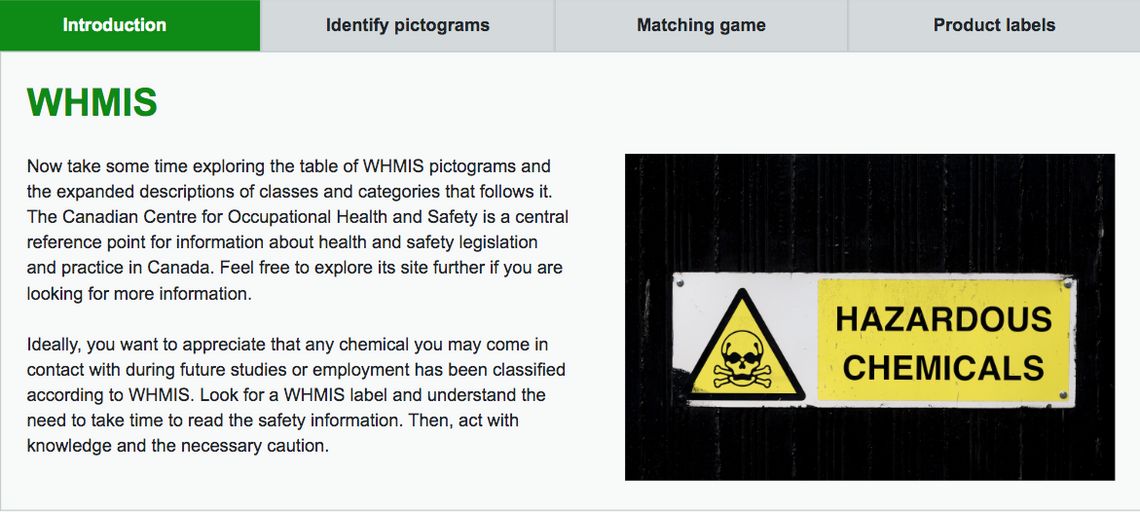
There are several categories of substances in the WHMIS program. Each is represented by a symbol along with a description of it and precautions in its use. Explore the following interactive to learn more about WHMIS symbols and their meanings.
Press the Start button to access the following interactive. This interactive will open in a new window.
 Start (Opens in a new window)
Whether someone is in the workplace or a classroom laboratory, chemical hazards can be present in the form of solids, liquids, or gases. Some of the most dangerous properties, including organic compounds, are their flammability,combustibility, andvolatility (how readily a substance vaporizes). Since many organic compounds are liquid at room temperature and evaporate readily, they can easily ignite in the presence of an ignition source such as a flame. It is important to understand the safe use of any chemicals you may be working with. If you have already had this kind of training, you may be familiar with the symbols, procedures, and terminology of the Workplace Hazardous Materials Information System (WHMIS).
Notebook

In this course you will need to keep an updated notebook to make notes on what you are learning, compile research and organize what you've learned. You may choose to use a physical or digital notebook, or a combination of both. Whatever best supports your learning!
Why is it important to handle chemicals safely in a laboratory? Many chemists working in laboratory settings require extensive training in handling chemicals and proper WHMIS procedures.
In your notebook, write a brief description about the importance of handling chemicals safely. In your description, include the following:
- WHMIS symbols
- MSDS information
- safety lab equipment and apparel
- lab equipment (e.g., glassware, thermometer, Bunsen burners)
- safe waste disposal
If available, share your information with a friend or family member.
Use your prior experience in science classes to check your understanding of safe laboratory practices. For each of the following questions, select the correct answer, then press Check Answer to see how you did.
WHMIS is important to recall in any science-related activity. Throughout the rest of the course, ensure to always reflect on WHMIS practices and procedures.
Learning skills and work habits

Success in this course can take many shapes and forms. One way of tracking your progress is to reflect on how you are using the 6 Learning Skills and Work Habits (Opens in new window). Explore the following tabs to learn more about each and how they apply to your success in this course.
The student completes and submits assignments based on timelines they set for themselves.
The student develops a plan that will help them complete learning activities and assignments.
The student seeks out information, technology, and resources, which will support their learning.
The student independently monitors and self-assesses their progress in the course by reviewing their personal goals for the course.
The student responds and positively reflects on the ideas, opinions, values, and traditions of others.
The student approaches problems with an open mind and demonstrates a willingness to take their learning to the next level.
The student sets their own success goals for the course and monitors their progress.
The student can identify areas of improvement and determine next steps.
Take a moment and reflect on how you can successfully apply any of the 6 Learning Skills and Work Habits in this learning activity.
Transferable skills

One of the skills you are practicing in this learning activity is Innovation, Creativity and Entrepreneurship. You will learn how formulating and expressing insightful questions and opinions can help enhance your scientific inquiry skills.

Everyday plastics and environmental impact
To begin, examine the following image or explore the area around you. How many items are made of plastic?
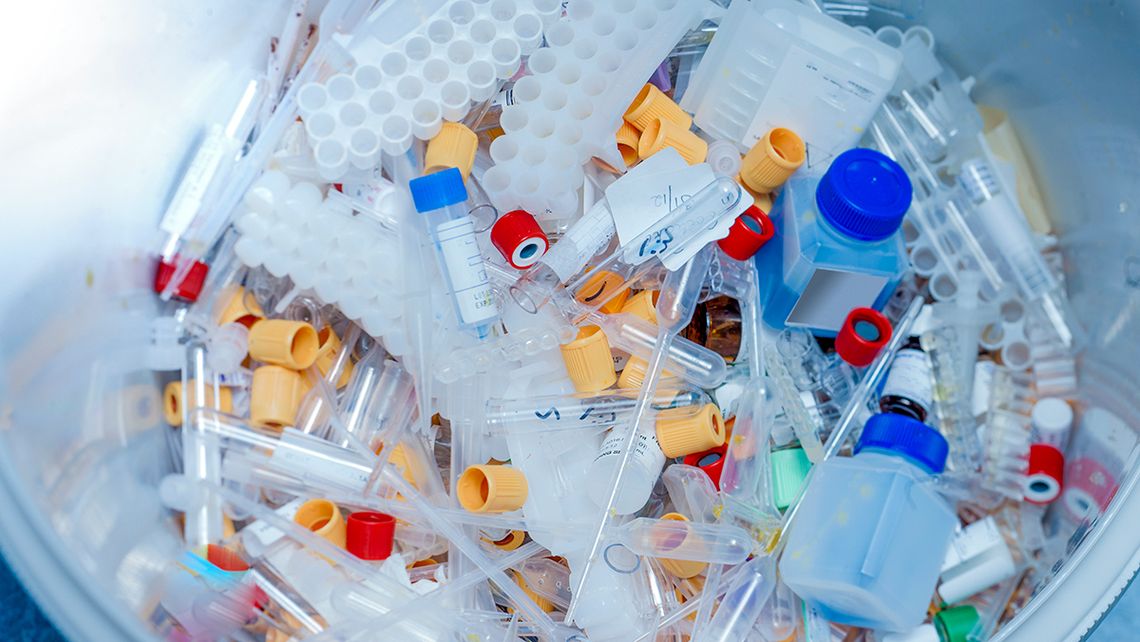
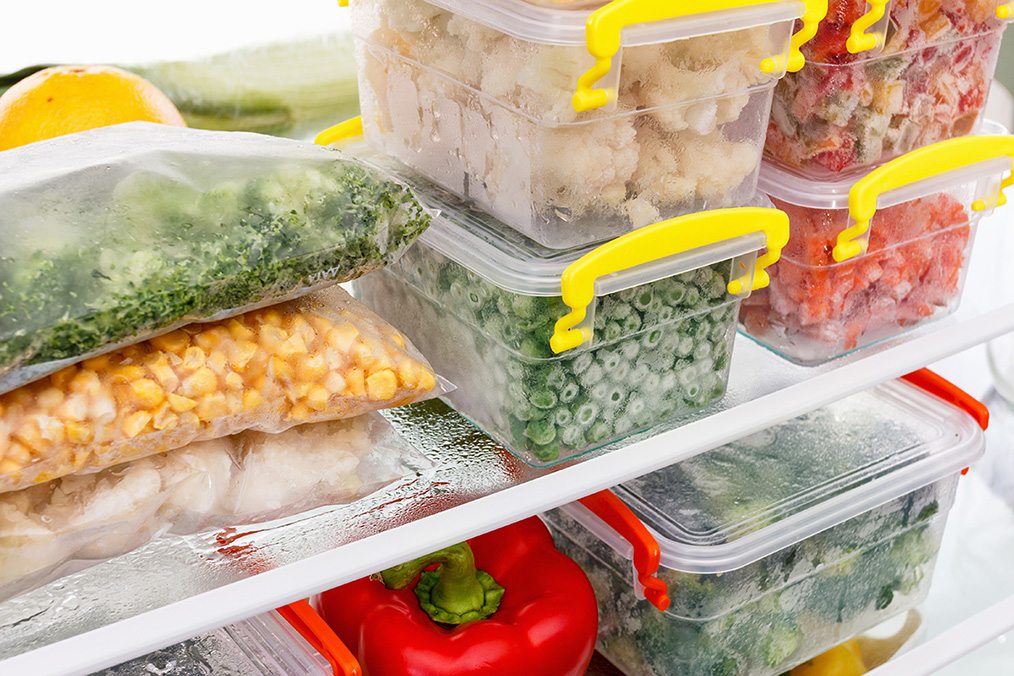
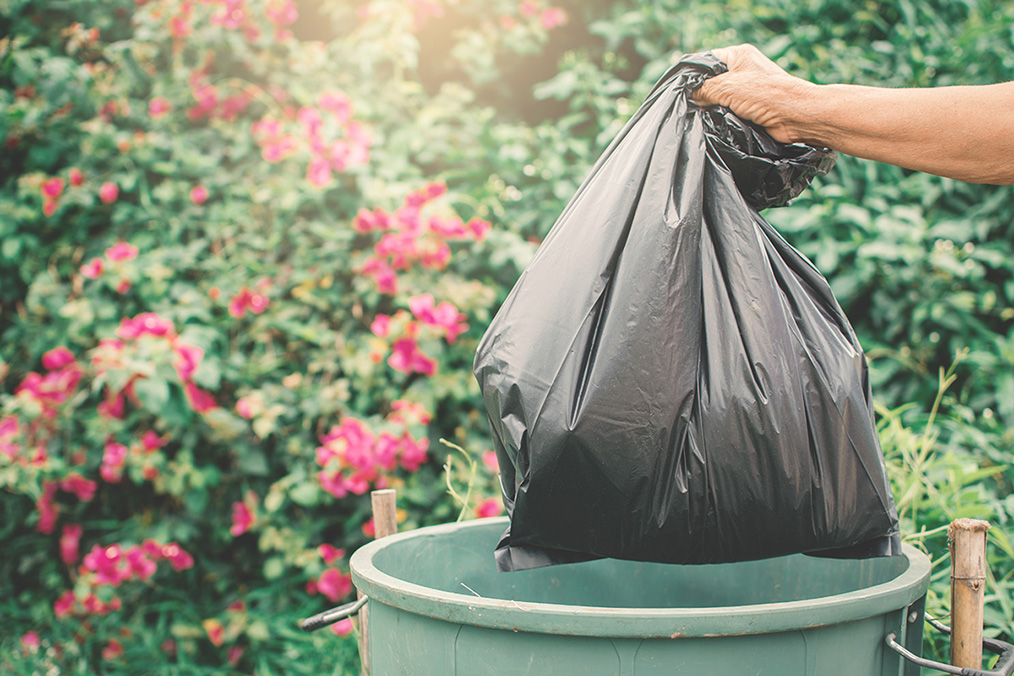
Plastics have inundated our lives and become so ubiquitous that it is hard to imagine life without them. From heart valves and blood bags in the medical industry, to food storage, waste removal and everything in between, plastics are everywhere. While the development of plastics has certainly had a positive impact on a wide range of industries and everyday conveniences, it is impossible to ignore the environmental concerns associated with plastic pollution.
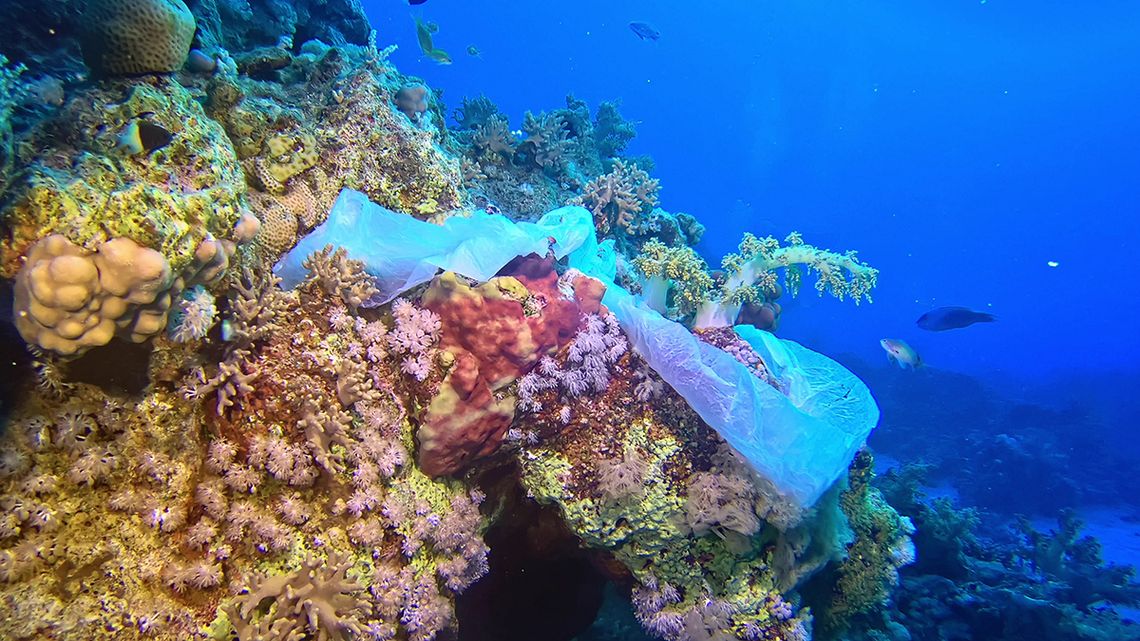
Plastics were not widely available until the 1950s, but since then, no corner of our planet has remained untouched by these compounds. Plastics are now found in remote arctic regions, deep ocean trenches, in tap water, bottled water, seafood and even salt. In Canada, only 11% of all plastic waste is recycled, and worldwide, an estimated 8 million tons are dumped into the oceans each year.
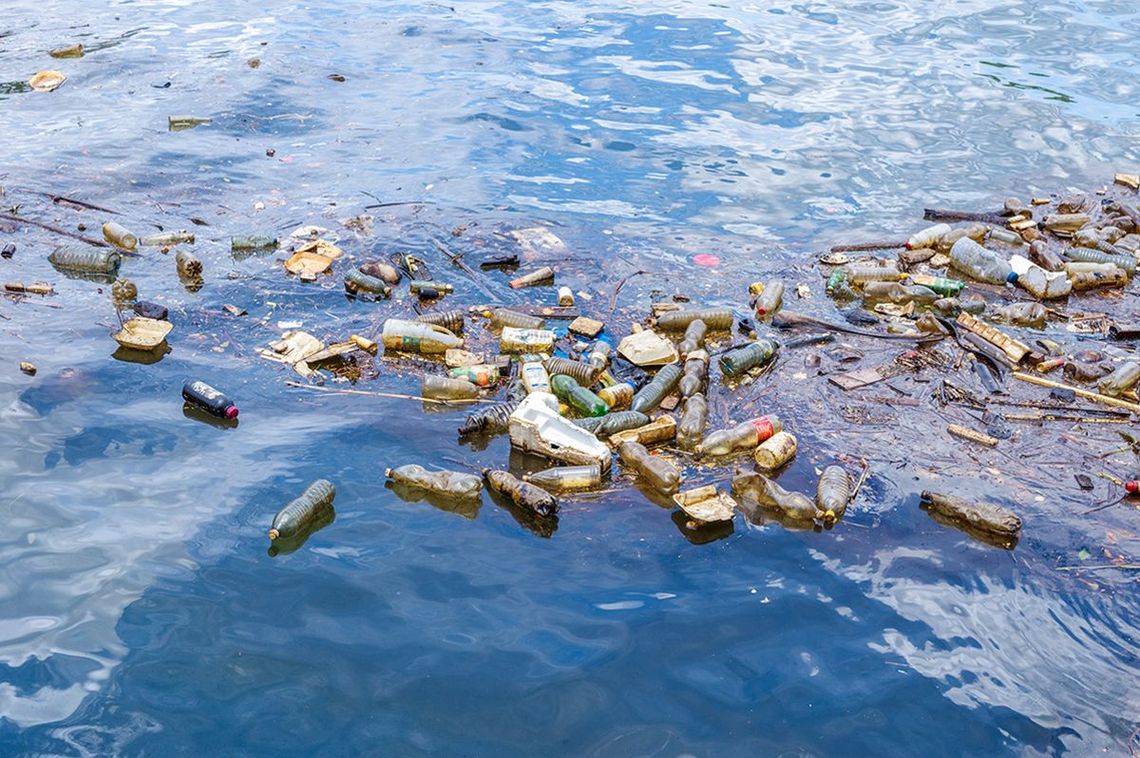
These plastics then enter marine ecosystems, condemning seabirds and marine animals to death by entanglement, starvation or poisoning. Our society clearly has a problem with plastic and it’s a relationship that will continue to have long-term devastating impacts on ecosystems, marine wildlife and even potentially human health, unless people can find constructive solutions to the global plastic addiction.
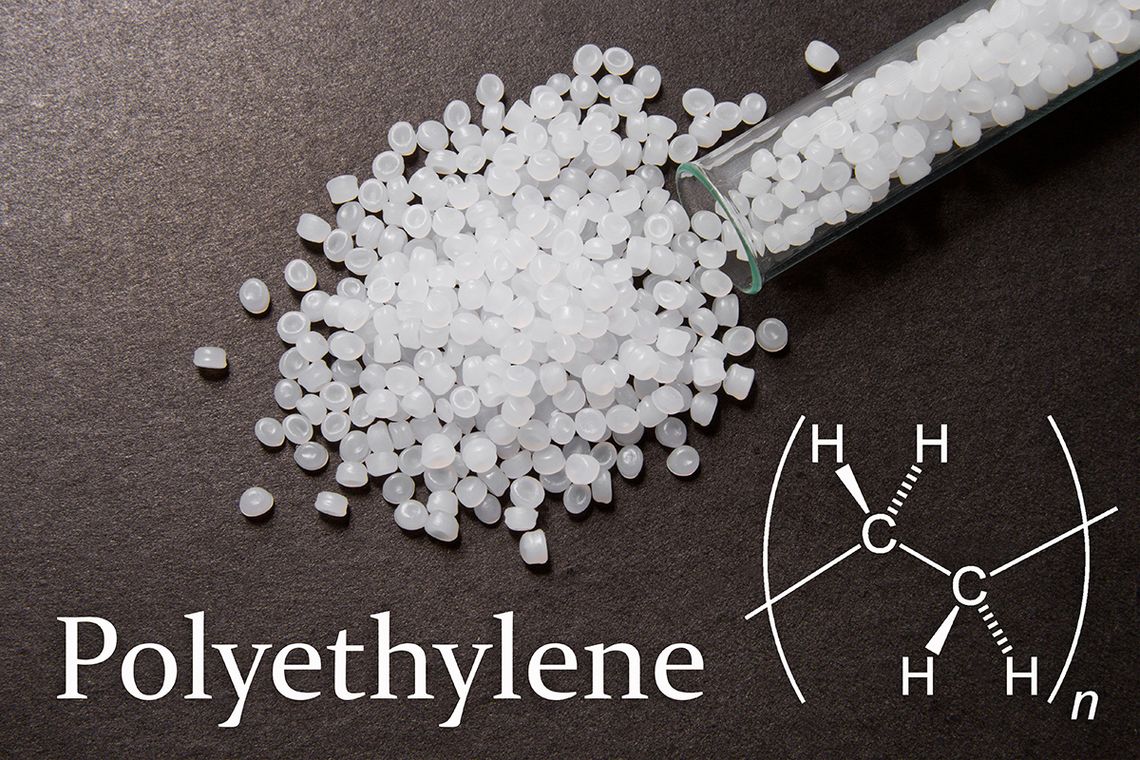
Many of the plastics that you encounter every day, including plastic bags and bottles, are made from polyethylene, an organic compound composed of long chains of carbon and hydrogen atoms.
Explore this!

Examine the following video on how Canada plans to deal with plastic pollution through manufacturing and legislation.
Notebook
After examining the video, think about the plastic products that you use in your everyday life. Many young Canadians have added their voices to the debate on plastic pollution, advocating for a better sustainable plastic waste management and bans on plastic products.
Now that you have explored the video, consider the following questions:
Should the government put a ban on plastic products? What type of plastic products should or should not have an imposed governmental ban?
Discover more

Conduct further research online and record your answers for the following questions in your notebook:
- Research three types of plastics and briefly learn how these plastic products are manufactured. Include a description of the chemical process involved in the manufacturing of these plastic products.
- How do you dispose of the plastic products?
- What are the environmental and societal implications if there was a ban on the three chosen plastic products?
Notebook
In your daily life, you may have encountered the term “organic”. Think about the contexts in which you’ve experienced that term. What comes to mind? In your notebook, create a mind map, list or brainstorm that captures all the things you associate with the term “organic”.
Press the following tabs to learn more about mind maps and ways to create one.
A mind map or concept map is a diagram that represents information symbolically, by association of ideas rather than by following strict logical rules. Figure 1 depicts the structure of a generic mind map. Figure 2 is a mind map about the topic that you have just explored; plastics.
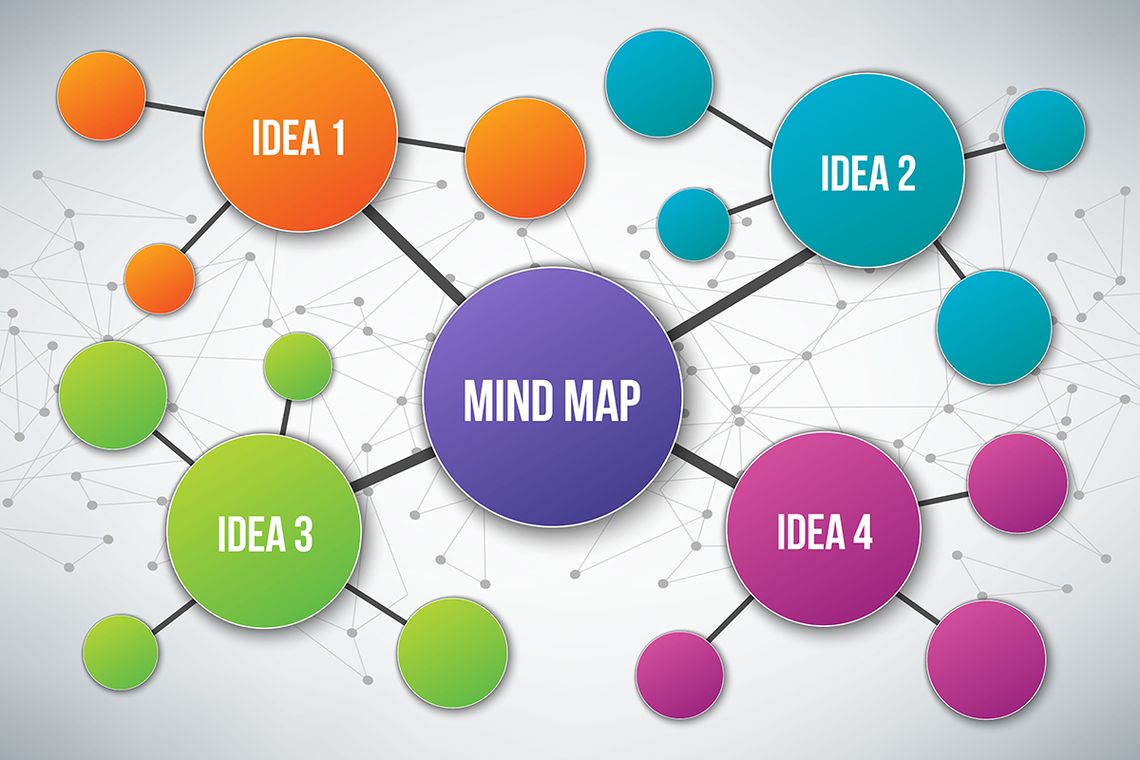
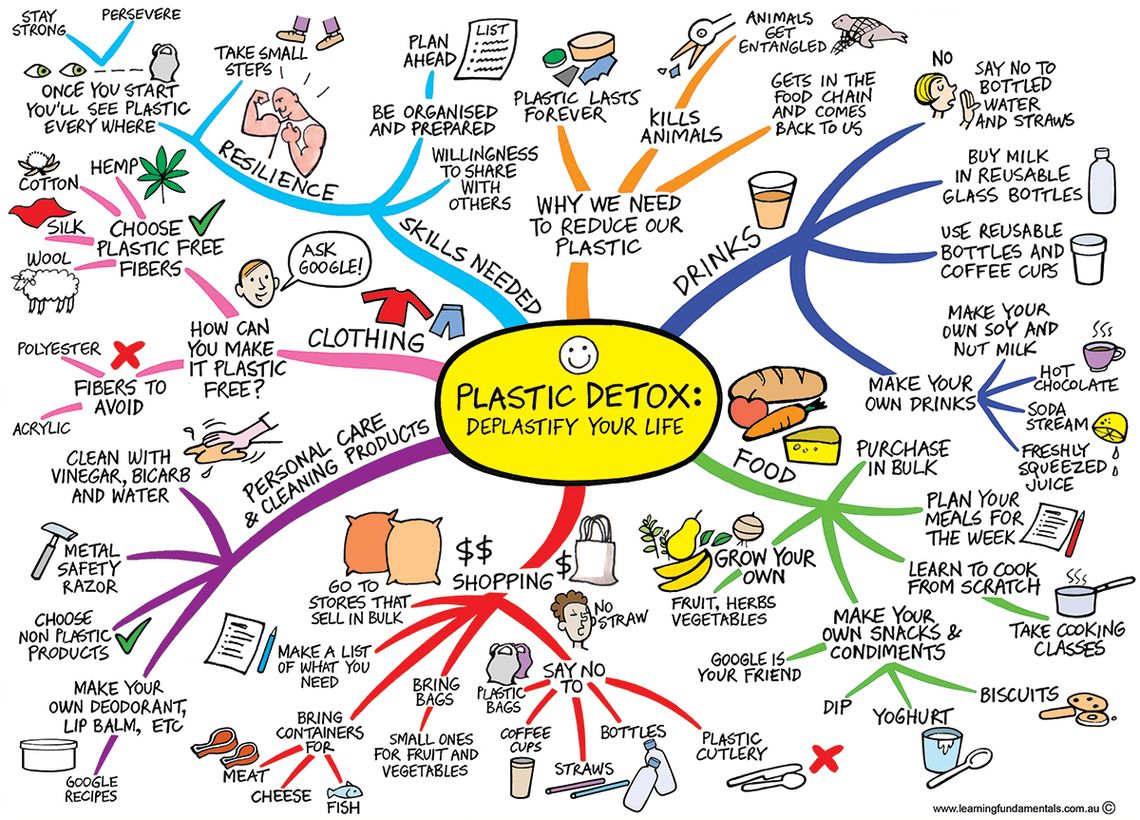
Create your own mind map with ideas that you associate with the term “organic.” You may use pen and paper or you may choose to use a computer program/digital tool. One example of a digital tool is the following Mind Map Tool(Opens in a new window).
Another option would be to use index cards to record the terms and organize them.
Organic chemistry and organic compounds
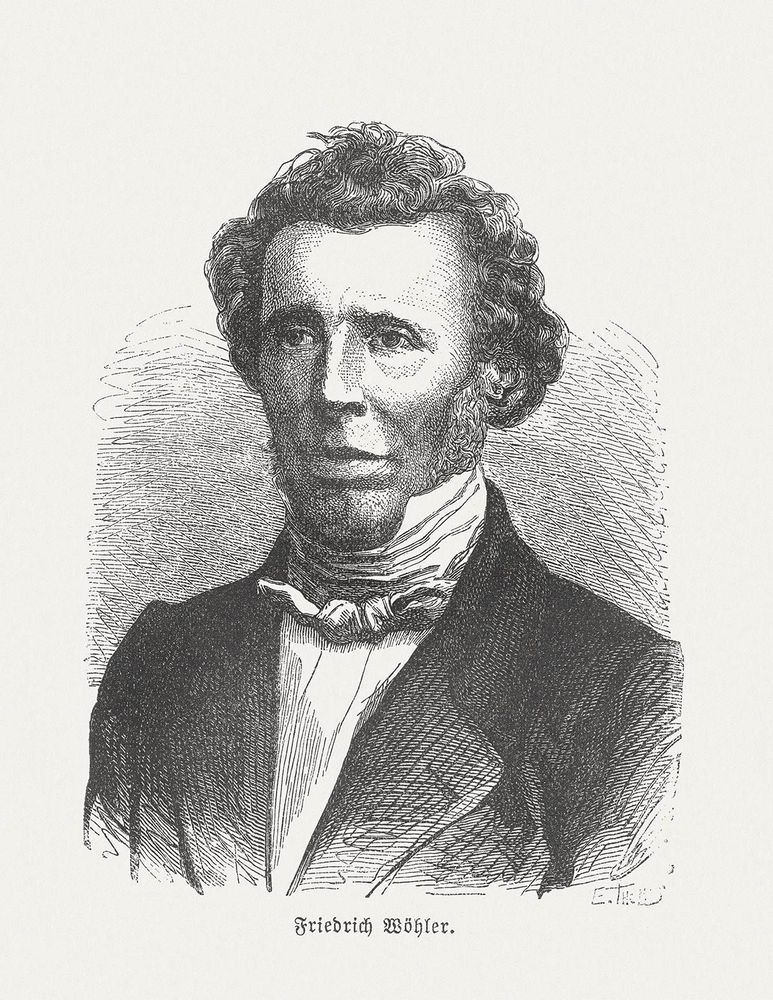
Friedrich Wöhler (1800-1882)
Scientific knowledge has come a long way since the origins of organic chemistry, a history that stretches back over nearly two centuries. Originally, organic compounds were regarded as substances that were isolated from organisms, formed by a vital force present only in living things. In 1828 these principles changed when German chemist Friedrich Wöhler reported the synthesis of urea from nonliving materials.
Organic chemistry has now evolved to include both naturally occurring and synthetically derived compounds containing carbon. Today, organic compounds are key components of pharmaceuticals, textiles, plastics, perfumes, cleaners and many other substances that we encounter each day. The ubiquity of these carbon-containing compounds then begs the question, what makes carbon so special?
Characteristics of carbon
Carbon is one of the most abundant elements found on Earth. Carbon is an element that has very unique properties compared to other elements found in the periodic table.
The prevalence of carbon in organic compounds can be attributed to several factors.
Press the following tabs to learn more about the versatility of carbon.
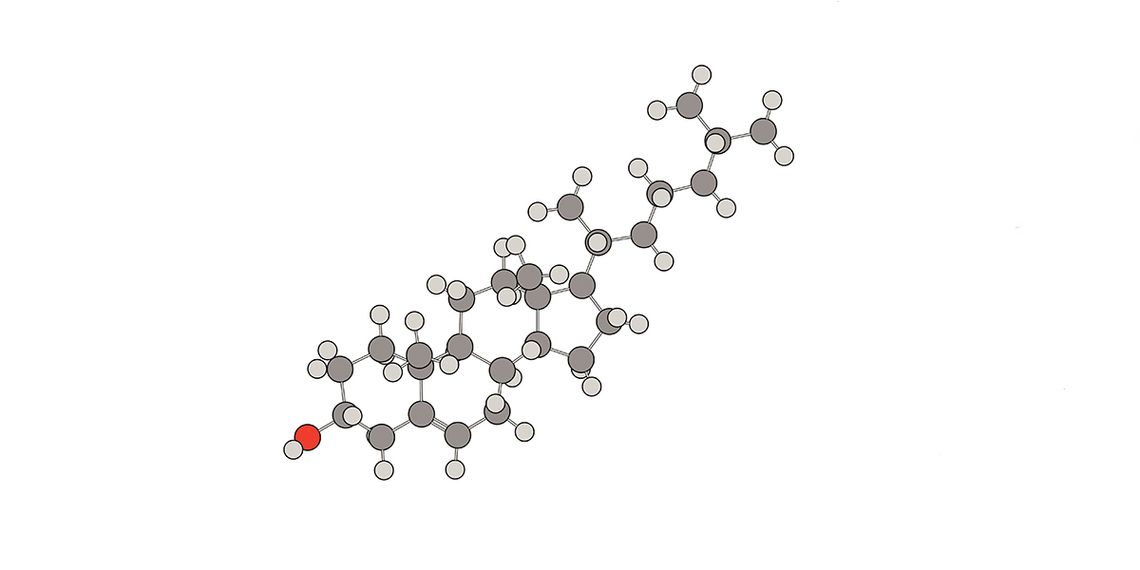
Carbon is capable of making bonds with other carbon atoms to form chain-like structures. These carbon chains are the basis of many biological molecules, including nucleic acids, proteins and lipids.
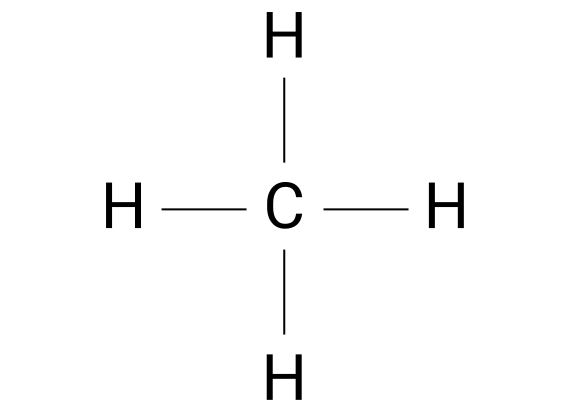
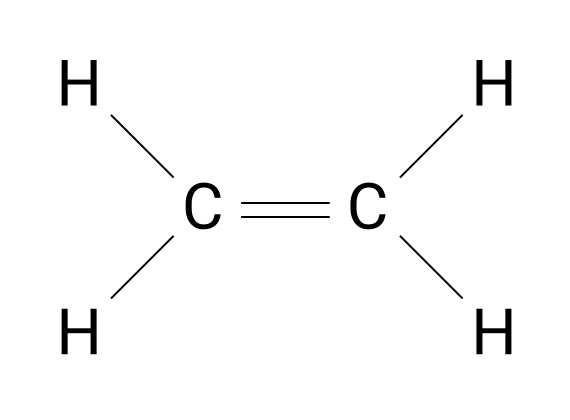
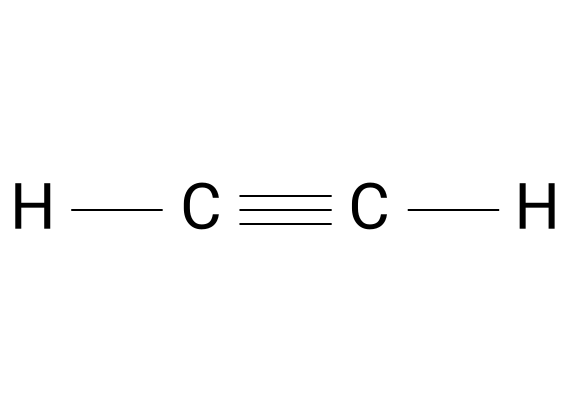
Carbon can form stable single, double or triple bonds with other carbon atoms allowing the generation of large and complex molecules. These bonds are incredibly strong, making carbon-carbon chains important as backbones for organic molecules.This allows for variety of shapes to be formed using carbon-based molecules. The type of shapes that can be formed are straight chains, branched chains, and rings.

Carbon is one of only a handful of elements capable of forming four bonds, allowing carbon to bond with a variety of other elements to create complex structures. While silicon, also in group 14, is equally able to make four bonds, the bond strength is less than what is measured between carbon and other atoms.
Explore the following interactive to review group 14 on the periodic table.
Press here for an accessible version of Periodic Table of Elements (Opens in a new window).
Formula

For future reference, the Periodic Table can be found in the navigation tab under Data Sheets. Opens in new window
Challenge

Using the internet or any other resources of your choosing, research three types of industries that use organic compounds.
For the three industries, answer the following questions:
- What types of organic compounds are used?
- How are the organic compounds used?
- Are they part of the manufacturing process or are they the end-product?

Unit 1 research project

Choose one of the three industries that you researched and create a product of your design that will help you summarize your research.
Your product could be:
- a poster
- an infographic
- a typed document
- a video or audio recording
- anything that you design
This activity will be part of your Unit 1 assignment, which will be submitted later on.
You will notice that a large component of this course will be built around formulating effective questions.
Explore the following interactive entitled Q-Chart Template which maps out a variety of prompts to use when crafting effective questions.
Adapted from Koechlin, C., & Zwaan, S. (2014). Q tasks: how to empower students to ask questions and care about answers. Markham, ON: Pembroke.
Unit 1 research project
One of the expectations in this unit is to understand the environmental impact of organic compounds used in everyday life, and propose a solution to reduce the impact of harmful organic compounds in the environment.
Create a list of inquiry-based questions that you have about this industry and record in your notebook. To check your questions, review inquiry-based questions about the plastics industry.
What alternative products or methods could be used to manufacture plastic bags?
Examining the industry you chose and the inquiry questions that you have posed and recorded in your notebook, modify or select those inquiry questions that will help you address this expectation. Then, read the following inquiry question that addresses this expectation as it regards the plastics industry that has been used as an example in this activity.
What alternative products or methods could be used to manufacture plastic bags that would reduce the impact of their manufacture and use on the environment?
Throughout this unit, you will be exploring your inquiry questions and making connections between the content you are learning and your chosen industry.
It may be helpful to create a section in your notebook titled "Unit 1 research project" and add your work to this section related to the Unit 1 assignment.
Self-check quiz

Check your understanding!
Complete the following self-check quiz to determine where you are in your learning and what areas you need to focus on.
This quiz is for feedback only, not part of your grade. You have unlimited attempts on this quiz. Take your time, do your best work, and reflect on any feedback provided.
Learning reflections
Learning skills and work habits
It is important to reflect on your learning at the end of each learning activity. It will help you understand where you are in your learning and what areas you may need to review further. Take a moment and reflect on how you have used any of the 6 Learning Skills and Work Habits Opens in new windowin this learning activity.
You may wish to begin thinking about how you can develop these Learning Skills and Work Habits in the next learning activity.
Learning goals and success criteria
Review the learning goals and success criteria for this learning activity. Revisit any areas you need to strengthen your understanding. Record your reflection in your notebook.
In this learning activity, you explored the composition of organic compounds and learned how organic compounds play a significant role in manufacturing industries. In the next learning activity, you will explore hydrocarbons and rules used when naming various structures.
Connecting to transferable skills
Ontario worked with other provinces in Canada to outline a set of competencies that are requirements to thrive. Ontario then developed its transferable skills framework as a set of skills for students to develop over time. These competencies are ones that are important to have in order to be successful in today’s world.
Read the following document entitled Transferable Skills Outline (Opens in new window) to explore the framework and the descriptors for each skill. Download, print, or copy the information in the document into your notes - you'll refer to it in each unit.
Press the following tabs to explore the skills.
Note the indicators that you think you will develop in this course. Throughout this course, you should revisit these skills to reflect on which ones you develop and if your original predictions were correct.
As you continue through this unit and the rest of the course, keep your notebook updated and be mindful of opportunities to apply and develop transferable skills.